
About the Concern
Our Mission
The Osaka Seafood Concern was established to address the growing complexity of maritime protein logistics in an increasingly uncertain culinary landscape. Our mission is to ensure that individuals, organizations, and communities maintain appropriate levels of seafood readiness through strategic procurement guidance, educational materials, and equipment verification protocols.
History & Foundation
Founded in 1999 by a coalition of marine biologists, supply chain analysts, and culinary safety officers, the Concern emerged from a recognition that seafood preparedness had become fragmented across too many jurisdictions and regulatory frameworks. We consolidated best practices from seventeen coastal nations and four international bodies to create a unified operational standard.
Our headquarters in Osaka were selected for their proximity to major fishing ports, advanced cold chain infrastructure, and historical significance in maritime commerce. From this central location, we coordinate research initiatives, equipment testing facilities, and stakeholder education programs.
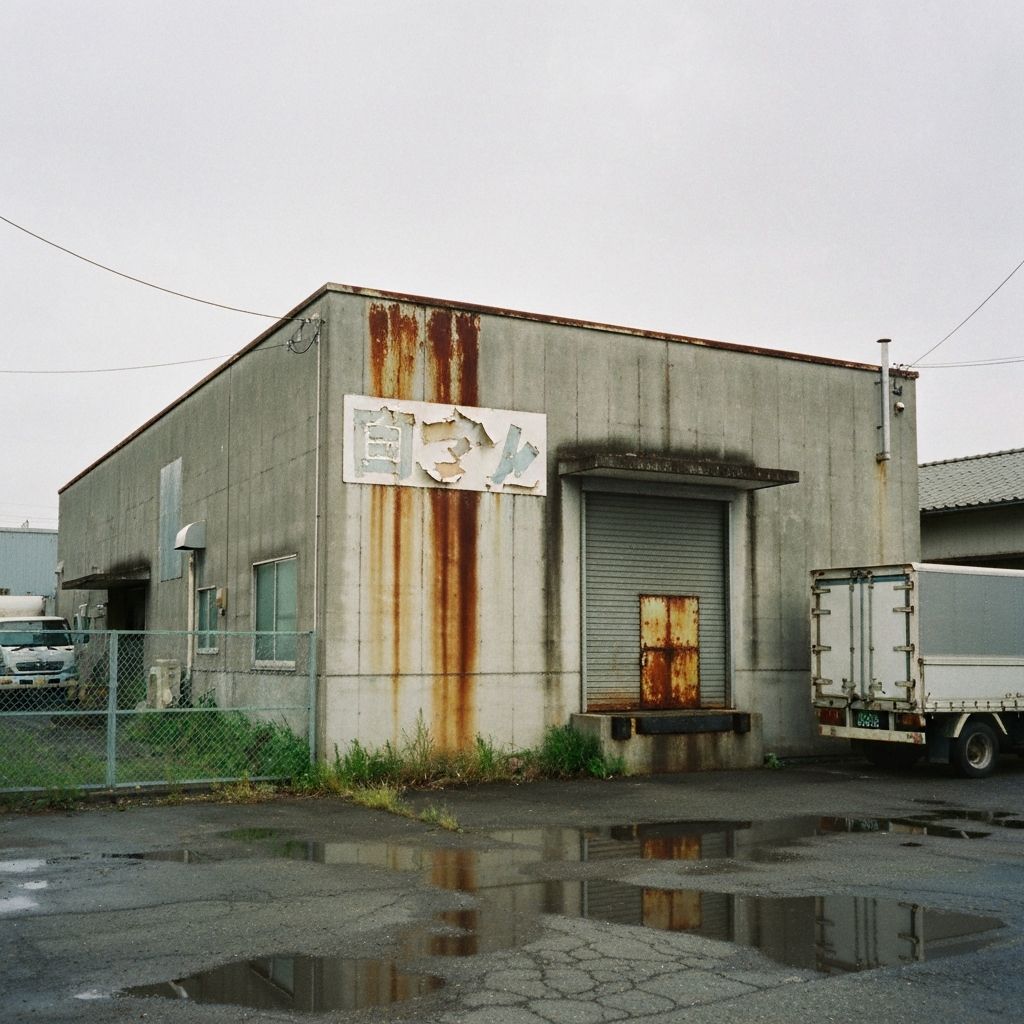
“The blade enters. The contents exit. That is the nature of our work.”
— Internal Operations Manual, Section 3.2
Organizational Structure
The Concern operates through four primary divisions, each with specialized responsibilities:
Asset Handling Division
Evaluates, categorizes, and certifies seafood-related equipment. Maintains the approved equipment database and conducts field testing of new implements. Issues recall notices for non-compliant tools.
Shellfish Risk Management
Monitors global mollusk supply chains, conducts contamination assessments, and publishes real-time safety advisories. Coordinates with health authorities during outbreak investigations.
Strategic Brine Reserve
Oversees critical liquid seasoning inventories at secure facilities in seven countries. Manages distribution protocols during supply disruptions and maintains shelf-life rotation schedules.
Consumer Preparedness Office
Develops training materials, certification programs, and public awareness campaigns. Operates the emergency hotline for seafood-related incidents and coordinates community response efforts.
Our Commitment
We operate with the understanding that proper seafood handling is not merely a matter of preference, but of responsibility. Every recommendation we issue, every piece of equipment we approve, every protocol we establish is grounded in rigorous analysis and field-tested methodology.
The work is serious. The stakes are real. And we remain committed to maintaining the highest standards of maritime protein operations worldwide.